
Again once I used to show a movie appreciation course, the primary film I confirmed on the primary night time of sophistication was “The Third Man.” Boasting a wickedly acerbic screenplay by novelist Graham Greene, director Carol Reed’s 1949 masterpiece is a perfect introduction to the wit and class of traditional cinema. It could be 77 years outdated, however there’s nothing musty concerning the film — a chatty, propulsive thriller that also crackles with insouciant power. A few years in the past, for my nephew’s first go to to the Coolidge Nook Theatre, I introduced him to “The Third Man” so he might see how enjoyable and trendy these outdated, black-and-white films will be, particularly on a large display screen. There’s one thing gorgeously cinematic concerning the movie’s larger-than-life evocation of bombed-out, postwar Vienna as a playground of ethical compromise and spoil. “Of all the flicks I’ve seen,” wrote critic Roger Ebert, “this one most fully embodies the romance of going to the flicks.”
It’s a movie about betrayal, heartbreak, the dire issues individuals do to outlive throughout wartime and the monsters who revenue from them. But “The Third Man” performs like a jaunty, virtually farcical affair. The movie bobs and weaves to the jangling zither music of Anton Karas, in order that these characters appear to be dancing by way of the rubble. The back-slapping opening narration by director Reed is within the style of a friend telling you an anecdote at a bar. It’s a doozy of a yarn a few broke, alcoholic pulp author named Holly Martins (Joseph Cotten) who was invited to Vienna by his barely shady outdated pal Harry Lime, solely to seek out himself arriving simply in time for Harry’s funeral. However accounts of the auto accident that killed his buddy don’t sound fairly proper to Holly. (The movie’s title comes from a discrepancy within the variety of witnesses.) A lot to the chagrin of Trevor Howard’s persnickety police inspector, Holly decides he’s going to resolve this himself, an unsightly American blundering by way of the wreckage of postwar Europe with no concept how far in over his head he’s, whereas additionally falling for his useless buddy’s woman (Alida Valli).
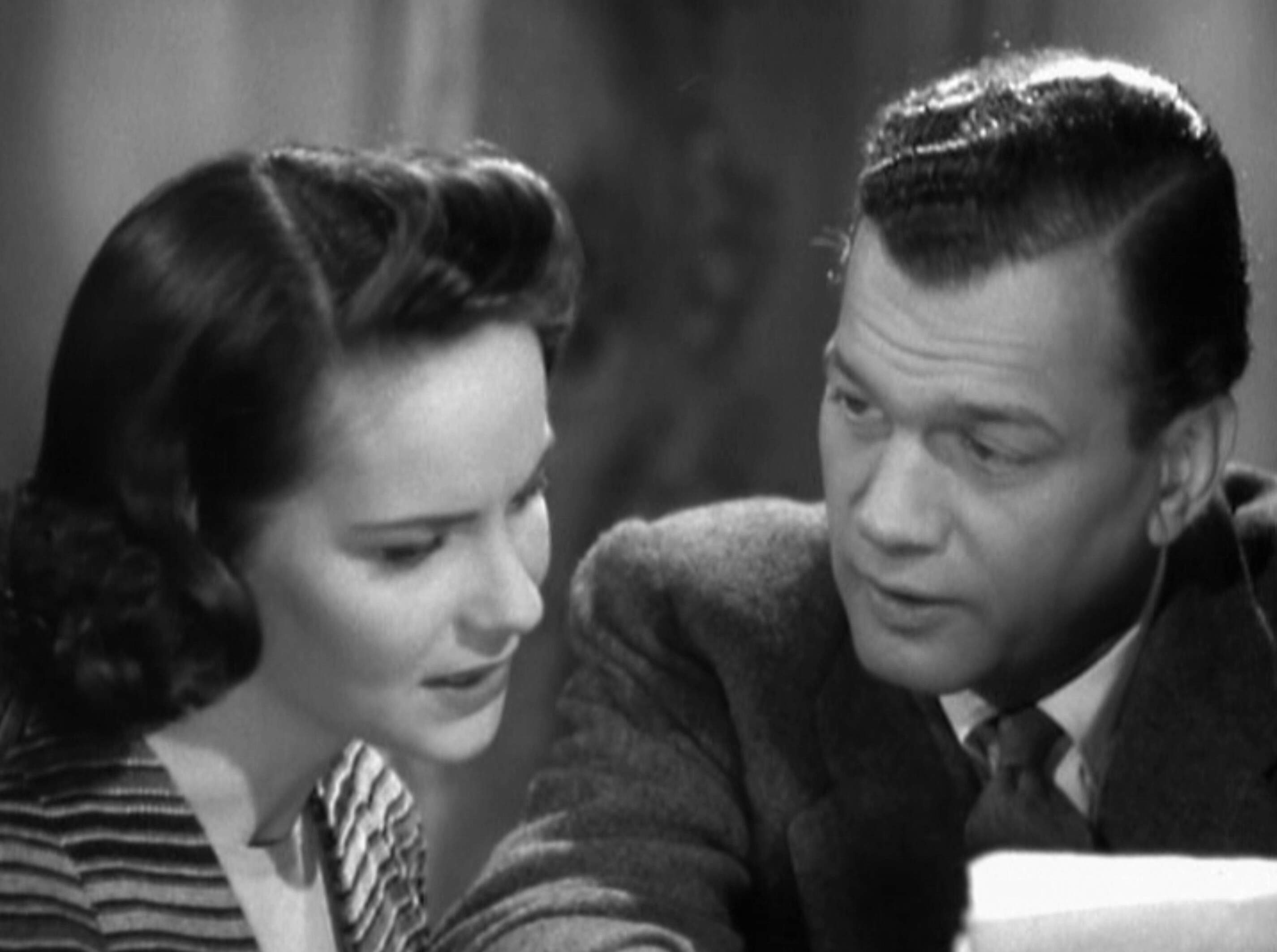
“The Third Man” is again on the large display screen this weekend in a fantastic new 35mm print as a part of the Harvard Movie Archive’s “The Chilly Coronary heart is Extra Treasured than Diamonds: The Cinema of Graham Greene.” The 14-film sequence is a feast of espionage, adultery and worldwide intrigue celebrating the prolific British author who labored as a novelist, a spy, a screenwriter, and for a time, at the same time as a movie critic. (Greene’s eyebrow-raising evaluate of the Shirley Temple car “Wee Willie Winkie,” through which he teased the probably prurient enthusiasm of the 7-year-old star’s “middle-aged males and clergymen” admirers, resulted in a libel swimsuit from 20th Century Fox that bankrupted the journal he wrote for and despatched Greene scampering off to Mexico. That is, to my information, the one time a critic has fled the nation over a movie evaluate, although I’ve thought-about it a few occasions.)
Some 36 films have been created from Greene’s work, but none epitomize the creator’s jaded romanticism higher than “The Third Man,” which he wrote immediately for the display screen in collaboration with director Reed and producer Alexander Korda. (Hollywood legend David O. Selznick additionally shares a producing credit score. In line with Greene’s introduction to his very humorous assortment of movie criticism, the American mogul’s artistic contribution was sending over 40 pages of script notes that Reed left on his desk, unopened.) The movie was, fairly crucially, shot on a mixture of actual Vienna places and soundstages at England’s Shepperton Studios, embellishing the precise post-WWII devastation with old school film magic. The extravagantly ruined cityscape is heightened by cinematographer Robert Krasker’s chiaroscuro lighting and canted frames. Certainly, there are such a lot of tilted angles that after director William Wyler watched the image, he purchased his buddy Reed a carpenter’s spirit stage, telling him to mount it on the digicam subsequent time.
The alluring ambiance of black market racketeering is like “Casablanca” with all of the idealism sucked out. It’s a film the place the hero is a loser and the film star is a heel. Oh wait, you didn’t suppose Harry Lime was truly useless, did you? He’s performed by Orson Welles in what turned his signature film function, regardless of having 10 minutes of display screen time, tops. Making movie historical past’s most iconic entrance simply over an hour into the film, it could be the eye of an excitable cat that exposes Harry hiding within the shadows, however it’s Welles who ate the canary. His mischievous grin, all of a sudden illuminated by a neighbor’s gentle, is likely one of the funniest and most inscrutable in all of cinema. Folks cherished Harry Lime a lot that Welles reprised the function in a long-running radio sequence concerning the gentleman con-artist, conveniently ignoring the a part of the movie the place Harry’s revealed to be an amoral sociopath whose diluted penicillin racket triggered the agonizing deaths of youngsters. He’s awfully charming, although.

Like most Greene tales, “The Third Man” is a story of disillusionment, through which Holly comes to appreciate his expensive outdated buddy is a villain who performed him for a sucker. Cotten had an extended historical past with Welles, first as a part of his Mercury Gamers after which co-starring with him in “Citizen Kane,” one other film friendship that resulted in betrayal. You’ll be able to really feel these years of collaboration coming to the fore between Holly and Harry, giving the proceedings a nifty, extra-textual enhance. Cotten’s enjoying the form of hero who might by no means cross muster in an American manufacturing, bumbling by way of the thriller and putting out with the main woman in a shot so good Martin Scorsese borrowed it for “The Departed.” It’s even a operating joke how dangerous Holly’s books are. The character describes himself as “a hack author who drinks an excessive amount of and falls in love with women.” (Some years in the past, I attempted utilizing this as my Tinder bio. That didn’t get me very far.)
Due to the mystique that swirls round Orson Welles, for years there persevered unfounded rumors that he’d taken over “The Third Man” and directed parts of the image himself. These are hogwash, as regardless of his scant display screen time, Welles nonetheless confirmed up for work so sometimes that assistant director Man Hamilton typically needed to stand in for him. When you’re not seeing Welles’ face in a shot, likelihood is you’re taking a look at Hamilton, who lacked the actor’s broad shoulders and needed to preserve the hanger at the back of Harry’s coat for the footage to match. Hamilton went on to helm “Goldfinger” and various different James Bond movies, through which 007’s boss M was performed by the actor Bernard Lee, who has a enjoyable supporting function right here as a police sergeant and the one particular person within the film who likes Holly’s awful novels.
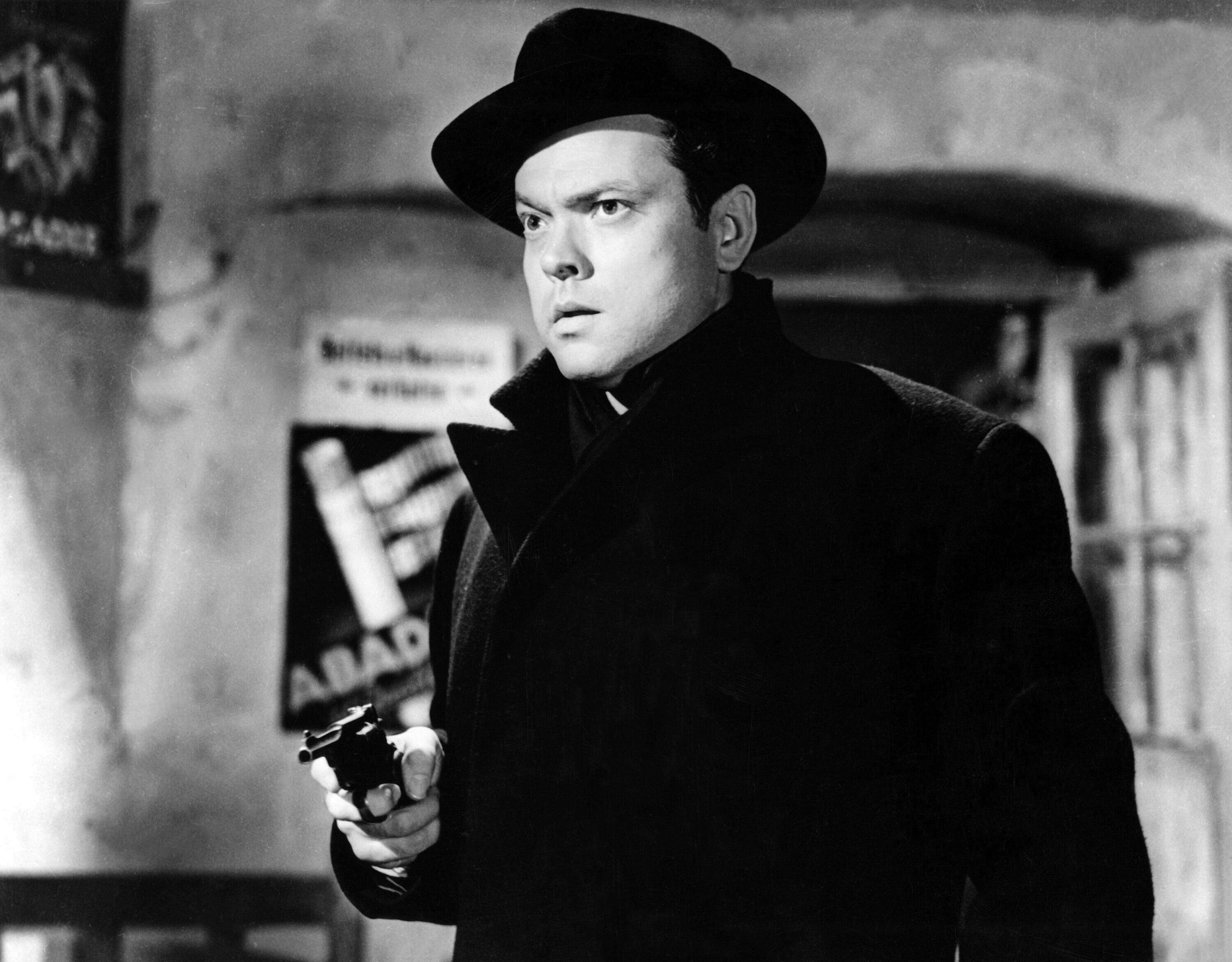
However everybody freely admitted that Welles got here up with probably the most memorable line. Making an attempt to reduce his nefarious misdeeds, Harry says to Holly: “In Italy for 30 years below the Borgias, that they had warfare, terror, homicide and bloodshed, however they produced Michelangelo, Leonardo da Vinci and the Renaissance. In Switzerland, that they had concord. That they had 500 years of democracy and peace, and what did that produce? The cuckoo clock.”
Welles claimed the quip got here from an outdated Hungarian play, however students have since attributed it to the good painter and Lowell native James McNeill Whistler. No stranger to having his traces stolen, Whistler as soon as dropped a zinger so good that infamous joke thief Oscar Wilde mentioned to him, “I want I’d mentioned that.” Whistler famously replied, “You’ll, Oscar. You’ll.”
In any case, for the remainder of his profession, residents of Switzerland took each alternative they may to remind Welles that the cuckoo clock was invented in Bavaria.
“The Third Man” screens on 35mm on the Harvard Movie Archive Friday, Sep. 4, Saturday, Sep. 5, Saturday, Sep. 19 and Monday, Oct. 19.