
I’ve spent greater than a decade writing concerning the gradual unraveling of the Voting Rights Act, together with because the co-author of a guide. I assumed I had a strong working catalog of the methods a vote on this nation may be made to not matter. However this spring, in Louisiana, I watched a brand new entry get written into that catalog in actual time.
On Could 2, 2026, voters walked into an early voting web site in Baton Rouge and forged ballots in a congressional major. The district they voted in stretched north alongside I-49 to Shreveport, a majority-Black seat that had simply despatched Cleo Fields again to Congress after a 28-year absence. Weeks later, that district not existed. The votes had been counted, in a mechanical sense. However they elected nobody, as a result of there was no district left to elect somebody into.
This isn’t the usual gerrymandering story. Most redistricting protection, and most of my very own scholarship, is about traces drawn unfairly earlier than an election — packing, shattering, diluting a neighborhood’s voice forward of time. What occurred in Louisiana this spring, and what’s now taking place in Tennessee, is completely different in sort: the traces have been modified throughout an election, after voters had already acted on those in place. The erasure of those districts created one thing I’ve began calling ghost ballots.
In each Louisiana and Tennessee, the districts being erased or shattered are majority‑Black seats that Black voters have already used to elect illustration, solely to observe these seats dismantled after the very fact. I do not suppose “gerrymandering” is the appropriate phrase for what we’re witnessing. It is nearer to a retroactive disenfranchisement, an erasure the place the vote itself survives, however the illustration it was meant to supply is deleted after the very fact.
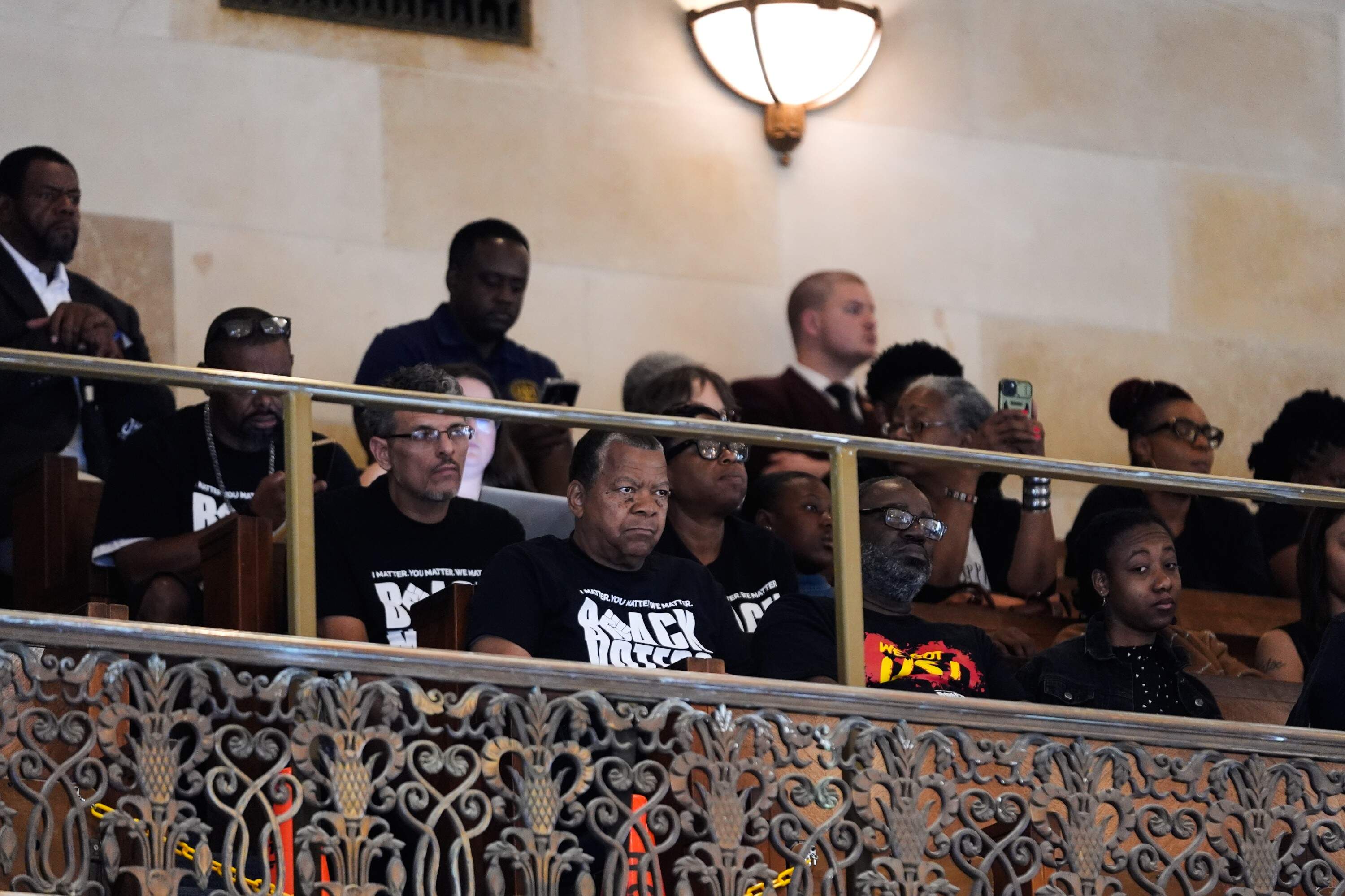
The sequence moved quick. Absentee ballots for Louisiana’s Could 16 major went out April 1. Early voting opened Could 2. On April 29, the Supreme Court docket dominated in Louisiana v. Callais that the state’s map, the one making a second majority-Black district, was an unconstitutional racial gerrymander. Inside a day, Louisiana’s governor declared an election emergency and suspended the congressional major, regardless that early voting was already underway.
By then it was too late to cease individuals from voting. Greater than 100,000 absentee ballots had already gone out, and by early Could almost 80,000 Louisianans had already voted (over 42,000 by mail and roughly 37,000 in individual). Civil rights teams sued inside days, arguing the state was discarding ballots that tens of hundreds of voters had already forged. The state’s reply was nearly administrative in its coldness: The Home races would keep on the poll, however any votes forged in them merely wouldn’t be counted.
No one’s poll was rejected for fraud, or as a result of it arrived late or was miscast. These have been legitimate votes, forged on time, underneath district traces that have been fully authorized on the day they have been forged. What erased their which means was a choice made after the very fact, by individuals who weren’t the voters. That is the excellence I preserve returning to: This is not disenfranchisement by exclusion on the poll field, it is disenfranchisement by demolition of the factor the poll was for.
Congressman Fields is aware of this sample higher than nearly anybody. His district’s traces have been redrawn 3 times in 30 years, and dismantled twice, in 1996 and once more this 12 months. In 1992, a Z-shaped district linked Baton Rouge and Shreveport, and he received it. By 1994 it had been redrawn right into a backslash-shaped seat, and in 1996, a federal court docket dominated that very same 250-mile zigzag an unconstitutional racial gerrymander, ending his first stint in Congress. He spent the subsequent three a long time within the state Senate.
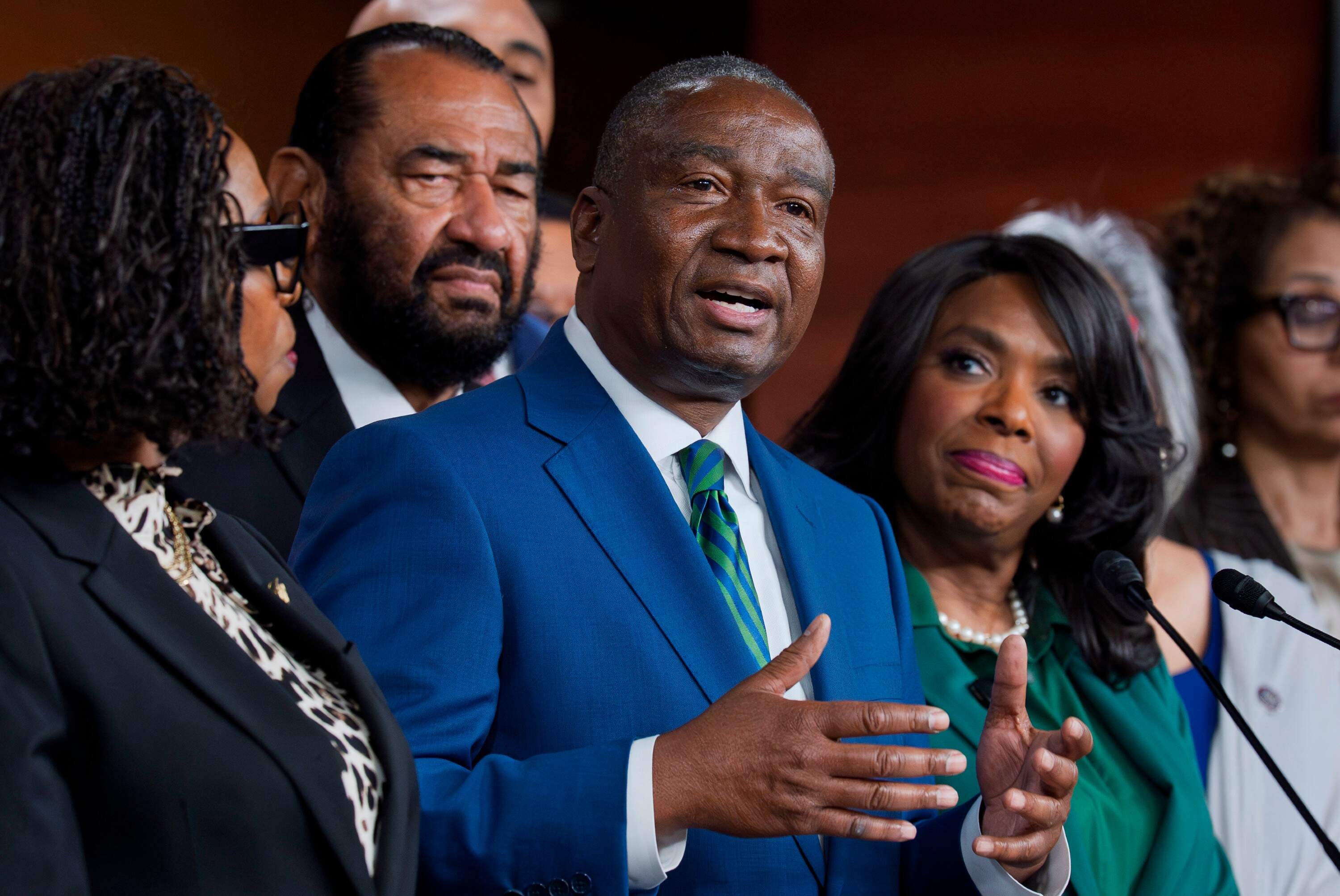
In 2024, court-ordered redistricting revived the thought of a district giving Black voters an precise likelihood to elect a candidate of their selecting, and Fields received the seat again. He had barely settled in earlier than the Callais resolution got here down. Louisiana lawmakers dismantled the district once more, and this July, Fields introduced he wouldn’t search reelection, selecting as a substitute to run for a similar state Senate seat he left lower than two years in the past. A district he helped construct twice has now been unbuilt twice, each occasions by legislatures performing after voters had already lived and took part in it.
Tennessee didn’t look forward to ballots to be forged, but it surely moved with a pace that makes the identical level in a distinct key: These maps are actually malleable at will, at any time when the motivation arises. Tennessee Republicans repealed a 50-year-old regulation barring redistricting between censuses, then handed a brand new map splitting the state’s solely majority-Black district, the Memphis-based ninth, held by Democrat Steve Cohen since 2007, splitting Memphis throughout three districts, every redrawn to be safely Republican. Memphis voters who elected Cohen in 2024 did so underneath a map that Tennessee’s personal regulation stated could not be touched once more for years. It was touched anyway.
This deserves separate therapy from the broader gerrymandering story I’ve spent my profession writing about. A poorly drawn map, nonetheless unfair, is a minimum of a hard and fast goal, one voters and courts can see and contest earlier than an election begins. A map that modifications mid-cycle turns a legitimate vote into one thing nearer to the state promoting lottery tickets to a drawing that has already been canceled.
Supporters of those mid-cycle redraws will say the maps have been unconstitutional to start with, and that the Supreme Court docket’s ruling left states no actual alternative however to behave rapidly. That is a severe argument concerning the underlying map. Even when you settle for that studying of the Court docket’s opinion, you continue to should wrestle with a separate query: What turns into of the tens of hundreds of votes underneath maps that have been actual and authorized on the time they forged their ballots?
Election regulation has guidelines for suspending votes, canceling them or altering election dates. It has nearly nothing to say about ballots forged in good religion underneath districts that lawmakers redraw out of existence after voting has already begun. Earlier than this turns into commonplace follow throughout the nation, it deserves a reputation and guidelines that forestall states from turning legitimate votes into ghost ballots at any time when the tally not fits.