
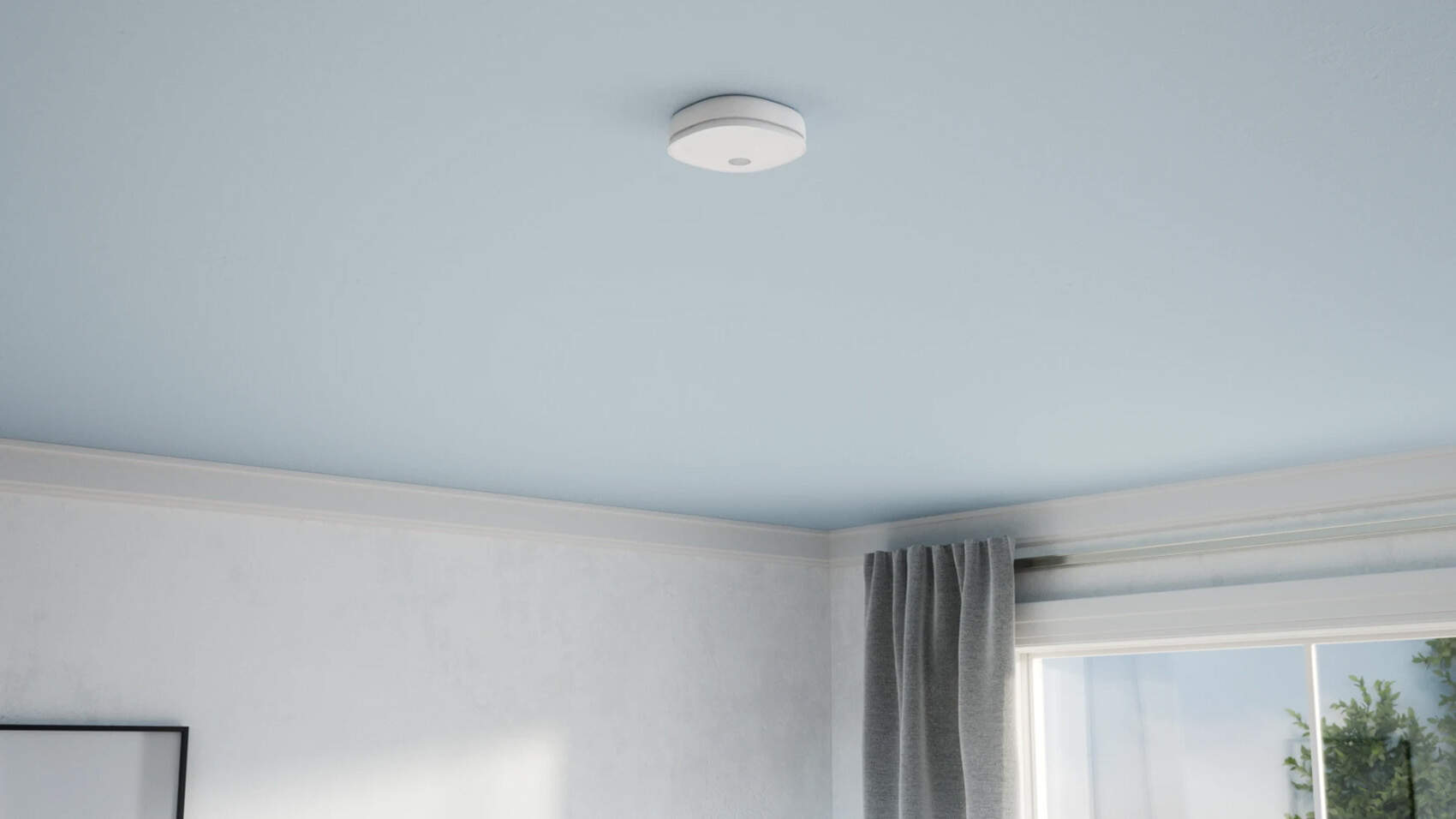
In late 2024, the Harmony Housing and Redevelopment Authority, a federally funded housing supplier in New Hampshire’s capital metropolis, started putting in small gadgets that seem like smoke detectors in an estimated 300 residential items they handle.
The devices, although, do greater than alert the tenants to a hearth. Made by a Swedish firm referred to as Minut, the gadgets can detect smoke from cigarettes, in addition to monitor noise ranges, and even the variety of individuals in a unit. The corporate, in addition to the landlords, primarily have real-time entry to the gadget’s sensors — and the knowledge they collect.
In a brand new class motion lawsuit, the residents of those buildings contend the sheer quantity of knowledge being collected by Minut gadgets is akin to a steady warrantless authorities search, and a violation of their privateness rights.
“It is an unbelievable imposition on individuals’s privateness of their houses,” stated Nate Wessler, deputy director of the ACLU’s speech, privateness and know-how undertaking, which filed the lawsuit together with the ACLU of New Hampshire and New Hampshire Authorized Help. “That is the federal government placing a surveillance gadget working 24 hours a day, minute by minute, into individuals’s houses, after which claiming whole discretion to avoid wasting that knowledge for so long as it desires.”
Harmony Housing stated it put in the gadgets to extra precisely detect when a resident violates the phrases of their lease by smoking indoors, or violates limits on extra noise. The plaintiffs argue, nevertheless, that the knowledge collected by the Minut sensors can be utilized to trace their day by day routines, similar to once they sleep, have buddies over, and even have interaction in intimate acts of their houses. Tenants had been required to signal lease addendums when the Minut gadgets had been put in, and got no choice to decide out.
“There isn’t any consent right here,” stated Gilles Bissonnette, authorized director for the ACLU of New Hampshire. He famous that residents of the general public housing applications are sometimes financially insecure with restricted choices for shelter.
“Your proper to housing shouldn’t be conditioned in your willingness to waive important privateness protections and privateness rights,” he stated.
‘Tons of of tens of millions of knowledge factors’
Minut markets its gadgets for short-term property renters, like AirBnB hosts, who could need to forestall their company from throwing events. The devices can present real-time alerts when noise or smoke above a sure threshold is detected.
In keeping with the ACLU’s lawsuit, Harmony Housing approved the acquisition of roughly 300 gadgets, at a price of $46,060, to assist the company detect indoor smoking and higher pinpoint noise complaints in its condo complexes.
The tenants argue, nevertheless, that they had been misled by the housing company about how a lot info was being tracked and saved. Tenants had been requested to signal lease addendums outlining a $300 effective for any harm to the Minut gadget.
The housing authority advised residents that there have been no cameras within the gadgets and that they may not take heed to conversations. The tenants contend that the housing authority didn’t clarify that decibel ranges can be monitored each 60 seconds all through the day.
The items are additionally capable of monitor the variety of Bluetooth-connected gadgets inside an condo, which can be utilized to find out what number of guests there could also be in any given condo in actual time.
“Since starting set up of the Minut Screens within the fall of 2024, CHRA has amassed a whole lot of tens of millions of knowledge factors from inside tenants’ flats,” the lawsuit contends.
The case, which was filed in Merrimack County Superior Courtroom, alleges the housing authority is violating a proper to informational privateness outlined in New Hampshire’s structure in addition to a ban on warrantless searches by the federal government.
The plaintiffs are asking a choose to order that every one knowledge be deleted and prohibit the housing authority from putting in Minut gadgets until they’ve the consent of the tenant.
This story is a manufacturing of the New England Information Collaborative. It was initially revealed by New Hampshire Public Radio.